
SARMs
LGD-4033 – Ligandrol: An Informative Overview for Research Awareness
Feb
In the recent years, interest in Selective Androgen Receptor Modulators (SARMs) is on the rise. Often much discussed in research and scientific circles, Lgd-4033 – Ligandrol is among them. It selectively interacts with androgen receptors, unlike regular anabolic substances. Before creating an opinion make sure you know the background behind it.
The initial goal behind the introduction of this drug (LGD-4033) was to treat medical conditions related to muscles and bone. The design of the drug was aimed at features to study targeted receptor activity with lesser systemic effects. That scientific intent continues to inform the economic discussion today
Discussions concerning SARMs somehow lack balance or clarity. Confusions and Expectations are caused by misinformation. A well worded explanation that is not biased will explain what the compound does and what it does not.
The post introduces you to educational background information and important characteristics, comparisons and selection considerations of LGD-4033. We are looking to create awareness.
Understanding LGD-4033 and Its Research Background
These compounds were synthesized for targeted receptor activation studies. The researchers wanted to see the muscle and bone response but not bigger hormonal changes.
SARMs were designed not to bring about as extensive damage. They mainly attach themselves to particular receptors. What attracted researchers’ attention is this selective nature.
The first studies examined diseases associated with muscle wasting. Investigators examined the potential for selective activation to support lean mass retention. These studies were regulated and clinical in nature.
It is vital that the research context differs from consumer use discussions. Conclusions of studies do not always apply to general situations. Scientific environments control things everyday settings cannot.
LGD-4033 vs Traditional Anabolic Compounds
| Feature | LGD-4033 (Ligandrol) | Anabolic Steroids |
| Receptor Selectivity | Targeted | Broad systemic |
| Original Research Goal | Medical muscle studies | Performance enhancement |
| Hormonal Impact | Selective interaction | Widespread hormonal effect |
| Research Classification | Investigational compound | Controlled substances |
Key Characteristics and Scientific Considerations
The research goal of LGD-4033 must be dissociated from the public interpretation. People often fail to recognize its essential features.
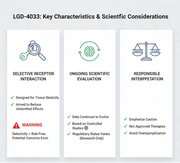
Selective Receptor Interaction
Designed to selectively interact with AR and not DHT. The focus was on reducing side effects. Researchers studied the effect of focused tissue activation.
Choosing who you interact with does not guarantee no risk. There may be risks with all bioactive compounds. Effects and limitations are evaluated.
Ongoing Scientific Evaluation
Reports on LGD-4033 continue to come out. Methods of research increase and so does data. Controlled studies substantiate the conclusions, not anecdotal evidence.
The regulatory status differs by region. Numerous authorities mark these compounds for investigations only. It is important to realize that.
Scientific talks warn people to be careful. Research compounds can’t be used in place of approved therapies.
LGD-4033 Compared to Other Research Compounds
LGD-4033 is compared to other investigational substances. The focus here is on selectivity, intent and risk profile.
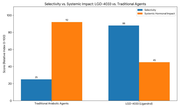
- LGD-4033 has been found to be highly tissue selective in studies, activating androgen receptors in muscle and bone while having much less activation in other tissues, such as the prostate.
- The systemic profile of LGD-4033 is lower than that of a traditional anabolic agent. A typical anabolic agent can cause a very high systemic hormonal profile. LGD-4033 will have a lower overall physiological profile. However, LGD-4033 will not be devoid of a systemic profile.
- The defining feature of LGD-4033 in clinical discussions is this selective nature, which is a main factor to differentiate from non selective hormonal compound.
How to Evaluate Information About LGD-4033
Always read responsibly when assessing information about research compounds. Not every source presents a balanced view.
First, determine if the information is for research or marketing. Scientific discourse highlights limits, contexts. Out-of-home advertisement doesn’t show any uncertainty.
Take regulatory classification seriously. Experimental drugs have not yet been approved. This difference determines how the information should be interpreted.
Practical Evaluation Tips
- Focus on peer-reviewed research sources
- Be cautious of exaggerated claims
- Understand regional regulatory classifications
- Separate research intent from public marketing
These steps assist the readers to form opinions. They help minimize the risk of misunderstanding difficult topics.
A Balanced Perspective on LGD-4033 – Ligandrol
The chemical compound is particularly of interest as it possesses selective receptor design. In research settings, the hypothesis has been useful in targeted androgen modulation discussion. However, it is still investigational. Visit Hardcore SARMs USA for more information.
Interpretation of scientific compounds required. Findings do not guarantee outcomes from research. It is necessary to be evidence-and context-relevant in order to be responsible. Education is the best tool for readers who seek clarity. having a balanced view presents better conclusions and outcomes.
