
SARMs Stacks
The Science Behind SARMs Stacks: How Synergy Maximizes Results
Aug
In the world of performance research, SARMs stacks with body optimization have turned into a subject with growing interest. Selective Androgen Receptor Modulators (SARMs) are being studied since they are able to preserve muscle, develop strength, and also reduce fat. However, SARMs stacking has opened up for users a new dimension of possible benefits. That is because synergy happens. When SARMs are mindfully combined, the collective impact may exceed what each compound delivers alone.
In scientific circles, SARMs stacks are evaluated in this article. Stacking could offer some performance gains. If they understand compound interactions, researchers make more informed choices for test planning and goal mapping.
Understanding the Basics of SARMs and Their Mechanisms
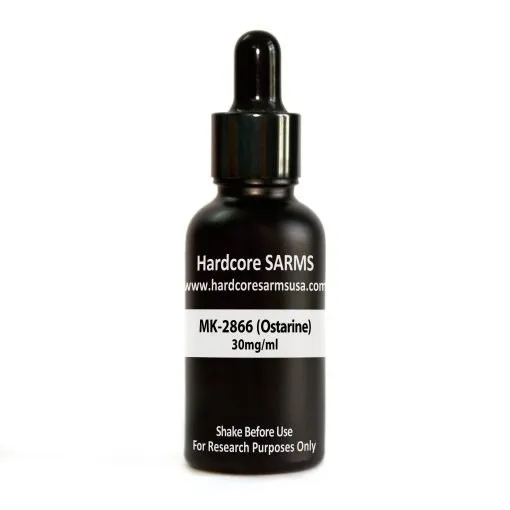
SARMs are synthetic compounds with binding selectively to androgen receptors in bone and muscle tissue. They are often evaluated as substitutes for anabolic agents avoiding common androgenic activity. Ostarine, also RAD-140, and then LGD-4033, are all SARMs that have been studied now. Researchers have examined their individual effects on strength also lean mass.
Each compound works differently. Some influence endurance or fat metabolism, but others are more anabolic. Their unique mechanisms do compel others for stacking them. To see full performance outcomes researchers often study stacks because a lone SARM cannot achieve everything.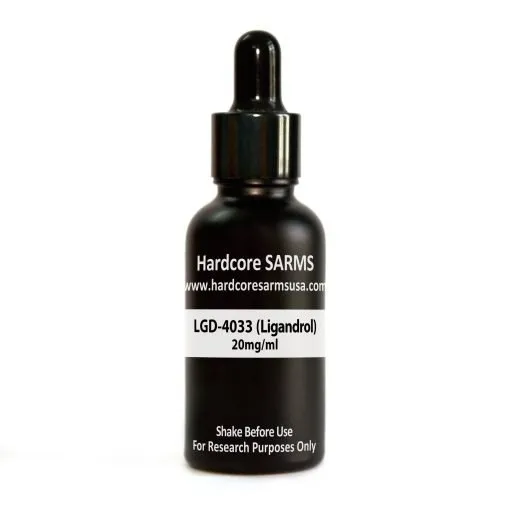
Why Stacking SARMs Creates a Synergistic Effect
Synergy in SARMs stacks happens since the benefits of compounds improve one another. For example, if you stack a mass-building SARM along with one that supports fat loss, it can produce a more complete transformation. The effects are not only additive but they may be increased under some conditions.
Like this approach, complementary effects allow for compounds to work in conjunction in supplement stacking. SARMs interact with receptors. This interaction occurs on a molecular level for sure. Their synergy may influence the speed of recovery as well as metabolic regulation and protein synthesis. Stacking has turned into a key area of interest. Current performance studies show this.
Popular SARMs Stack Combinations and Their Objectives
Different SARMs stacks act as they do for different reasons. LGD-4033 is paired often along with RAD-140 for the bulking process. Its anabolic strength and size development invite study of this duo. To explore fat-burning, Ostarine plus Cardarine combinations get used for cutting phases. These combinations also achieve lean mass preservation.
S4 which is Andarine is included inside of other stacks for vascularity. YK-11 is just a SARM that supports some strength and is often combined with it. Creating synergy without system overwhelm is the goal, also each compound has a role within. Proper dosing, sequencing, and monitoring are vital throughout any stack research process.
How Dosage and Timing Influence Stack Effectiveness
One critical part of studying SARMs stacks is dosage as well as timing. A well-structured stack contains compound half-lives, synergy windows, and tolerance levels. Though tempting, higher dosages may bring fewer additional benefits. Adverse responses may also result because of higher dosages.
Protocols within many test scenarios are structured in cycles lasting six to twelve weeks typically. Individual effects are assessed by it, and compounds are introduced by degrees. After baseline reactions get recorded, the full stack is deployed. This steady build-up assures a managed result which aids overload prevention.
Benefits Observed When Using SARMs Stacks Strategically
When SARMs stacks are used carefully, better results are often seen by scientists. These might include greater muscle density, superior fat-to-muscle ratios, also increased energy levels. Another benefit may be efficient recovery. Outcomes vary in fact depending on how monitored together with how built the stack is.
Stacking allows for multiple pathways to be activated, even though individual SARMs offer the important effects. For example, anabolic signals may be increased when fat oxidation processes are triggered. These results often show when environments closely follow protocols. Also, these environments do have tracking tools.
Risks and Considerations When Exploring SARMs Combinations
While synergy can provide benefits, worries surround SARMs stacks. When you are combining compounds, new variables are then introduced. These variables do include systemic load as well as hormonal response shifts, also receptor saturation. Therefore, with proper research documentation, these stacks must be evaluated with caution.
Adequate off-time, cycle support, and bloodwork monitoring are each necessary within any structured protocol. Additionally, goals vary. Stacks don’t all work. Endurance outcomes may not be supported through what produces strength improvements. For this reason, planning must be based upon defined objectives, and it must be reviewed consistently.
Conclusion: Why SARMs Stacks Reflect Smart Research Strategy
SARMs stacks do represent no more than a trend—they highlight for performance science’s deeper understanding. Stacks create opportunities for exploration of synergy that improves endurance and physical composition. Strength is also thereby improved in cases where stacks are planned in a proper way. More advanced research sees their role as evolving still.
A single protocol can target multiple researcher objectives. Researchers can do so via combining the right SARMs in a structured approach. Successful results require dosage, compound selection, and of course proper timing. A well-designed SARMs stack may provide measurable advantages when focusing on size, strength, or cutting goals.
The strategies that are behind stacking eventually will expand as SARMs research also expands. SARMs stacks remain, with reliable sourcing, preparation, with discipline, a foundation of scientific exploration in performance enhancement.
